
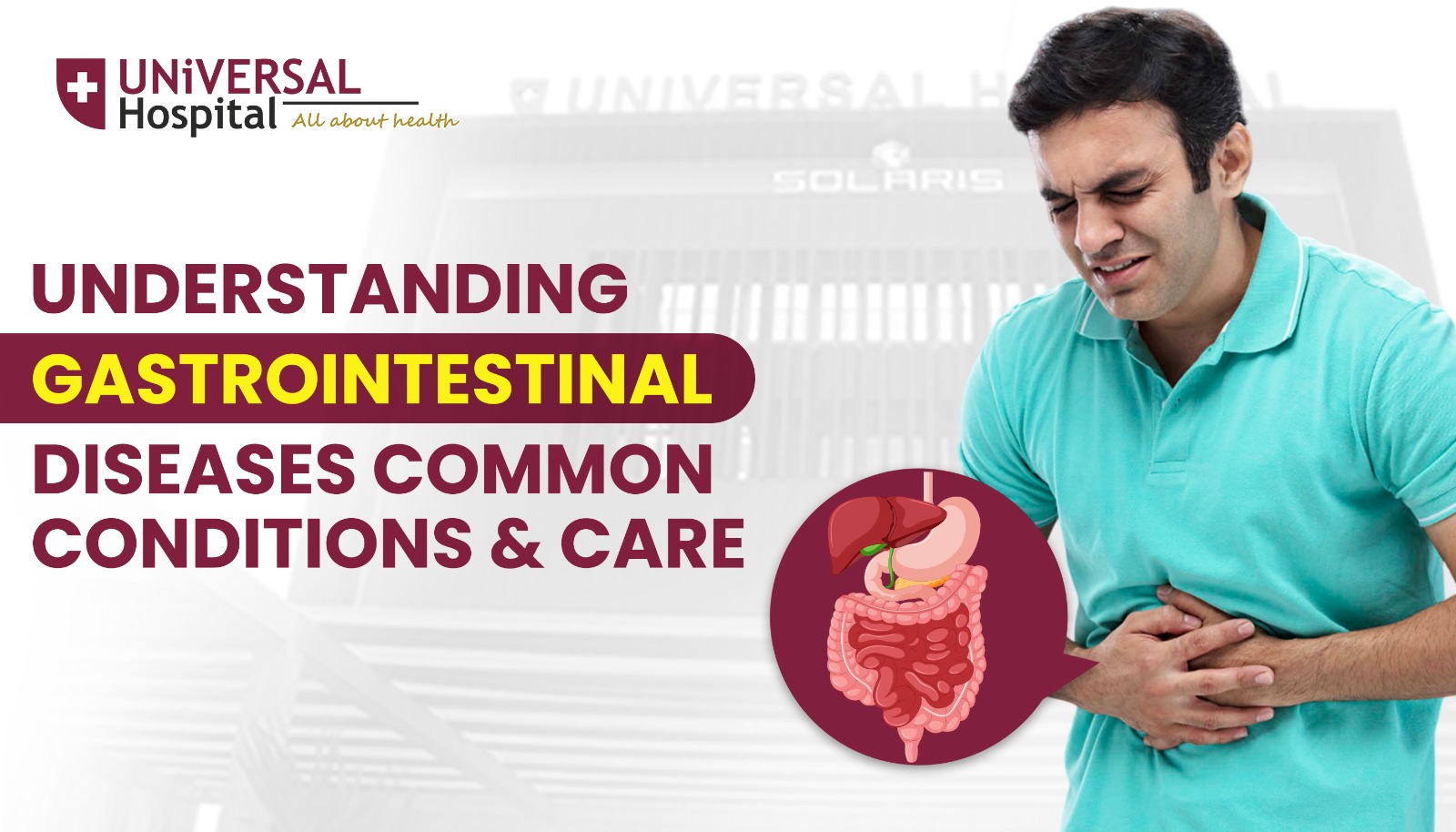
Introduction: What are Gastrointestinal Diseases?
The gastrointestinal (GI) system includes the stomach, intestines, esophagus, liver, pancreas, and gallbladder—all working together to digest food and absorb nutrients.
When any part of this system stops functioning properly, it results in gastrointestinal diseases. These conditions can range from common issues like acidity and constipation to serious problems such as ulcers, inflammatory bowel disease (IBD), or cancer.
Symptoms of gastrointestinal diseases in adults may include:
→ Stomach pain or cramps
→ Indigestion or heartburn
→ Diarrhea or constipation
→ Nausea and vomiting
→ Unexplained weight loss
→ Blood in stool
Understanding the types, causes, and preventive measures of GI diseases helps patients seek timely care and avoid complications.
What are Functional & Structural Gastrointestinal Diseases?
Gastrointestinal diseases are generally divided into two main categories:
1. Functional Gastrointestinal Diseases
→ These occur when the GI tract looks normal but doesn’t work properly.
→ Symptoms are real, but doctors may not find clear physical abnormalities.
→ Common examples: Irritable Bowel Syndrome (IBS), functional dyspepsia, and chronic constipation.
2. Structural Gastrointestinal Diseases
→ In these conditions, doctors can clearly see physical changes or damage in the GI system.
→ May include growths, ulcers, or blockages.
→ Common examples: Inflammatory Bowel Disease (IBD), colon cancer, gastroesophageal reflux disease (GERD), and hemorrhoids.
What are the Most Common Gastrointestinal Diseases?
Many people experience GI problems at some point in life. Some of the most common conditions include:
1. Gastroesophageal Reflux Disease (GERD)
→ Acid from the stomach flows back into the esophagus, causing heartburn.
→ Symptoms: burning chest pain, sour taste, chronic cough.
2. Irritable Bowel Syndrome (IBS)
→ A functional disorder that causes abdominal pain, bloating, diarrhea, or constipation.
→ Often triggered by stress or certain foods.
3. Peptic Ulcers
→ Open sores in the stomach or upper small intestine.
→ Caused by H. pylori infection or long-term use of painkillers like ibuprofen.
4. Inflammatory Bowel Disease (IBD)
→ Includes Crohn’s disease and ulcerative colitis.
→ Causes severe inflammation of the digestive tract.
→ Symptoms: persistent diarrhea, rectal bleeding, fatigue, and weight loss.
5. Gallstones
→ Hard deposits that form in the gallbladder.
→ Can cause sudden right upper abdominal pain, nausea, or vomiting.
6. Constipation
→ Difficulty in passing stool, often due to low fiber intake or dehydration.
7. Hemorrhoids
→ Swollen blood vessels in the rectum or anus.
→ Symptoms: pain, itching, or blood in stool.
8. Gastrointestinal Cancers
→ Includes stomach, colon, pancreatic, and esophageal cancers.
→ Early detection is key for successful treatment.
Can Gastrointestinal Diseases Be Prevented?
Not all GI diseases can be prevented, but many lifestyle changes can significantly lower the risk:
1. Eat a balanced diet
→ Include fiber-rich foods, fruits, vegetables, and whole grains.
2. Stay hydrated
→ Drink enough water daily.
3. Maintain a healthy weight
→ Reduces the risk of GERD and gallstones.
4. Exercise regularly
→ Helps digestion and bowel movement.
5. Avoid smoking and excessive alcohol
→ Both increase the risk of ulcers, GERD, and cancers.
6. Practice good hygiene
→ Wash hands, cook food properly, and avoid contaminated water to prevent infections.
7. Manage stress
→ Stress can worsen IBS and other functional GI conditions.
8. Get regular health check-ups
→ Especially important if you have a family history of GI problems.
Why Universal Hospital is Best for Gastrointestinal Diseases?
At Universal Hospital, Surat, we know how digestive problems affect your comfort, nutrition, and quality of life. Our Gastroenterology Department is dedicated to diagnosing, managing, and treating all types of gastrointestinal diseases with precision and care.
Why Patients Trust Us:
1. Experienced Gastroenterologists & Surgeons
→ Specializing in both functional and structural GI disorders.
2. Advanced Diagnostic Facilities
→ Endoscopy, colonoscopy, ultrasound, CT scans, and lab tests for accurate diagnosis.
3. Comprehensive Treatment Plans
→ From lifestyle counseling and medications to advanced surgeries when required.
4. Minimally Invasive Surgery Options
→ For faster recovery and less discomfort.
5. 24/7 Emergency Care
→ Immediate support for acute GI issues like bleeding or obstruction.
6. Patient-Centered Approach
→ Compassionate care that focuses on overall well-being, not just symptoms.
Final Thoughts
Gastrointestinal diseases can range from mild discomfort to life-threatening conditions. By understanding the symptoms, types, and risk factors, you can take early steps to protect your digestive health.
If you or your loved one experiences persistent stomach pain, heartburn, constipation, diarrhea, or unexplained weight loss, don’t ignore it. Early diagnosis can make treatment easier and prevent complications.
At Universal Hospital Surat, we are committed to being the best hospital for gastrointestinal diseases treatment in Gujarat, combining expertise, technology, and compassionate care for every patient.
Take charge of your digestive health today.
Call Universal Hospital Surat to book your appointment with our gastroenterology experts.
📍 Universal Superspeciality Hospital beside Jash Infinity, Behind New SMC Building, Civil Cross Road, Khatodara, Surat, India, 395001
📞 +91 90810 82632
🌐 www.universalhospitalsurat.com
