
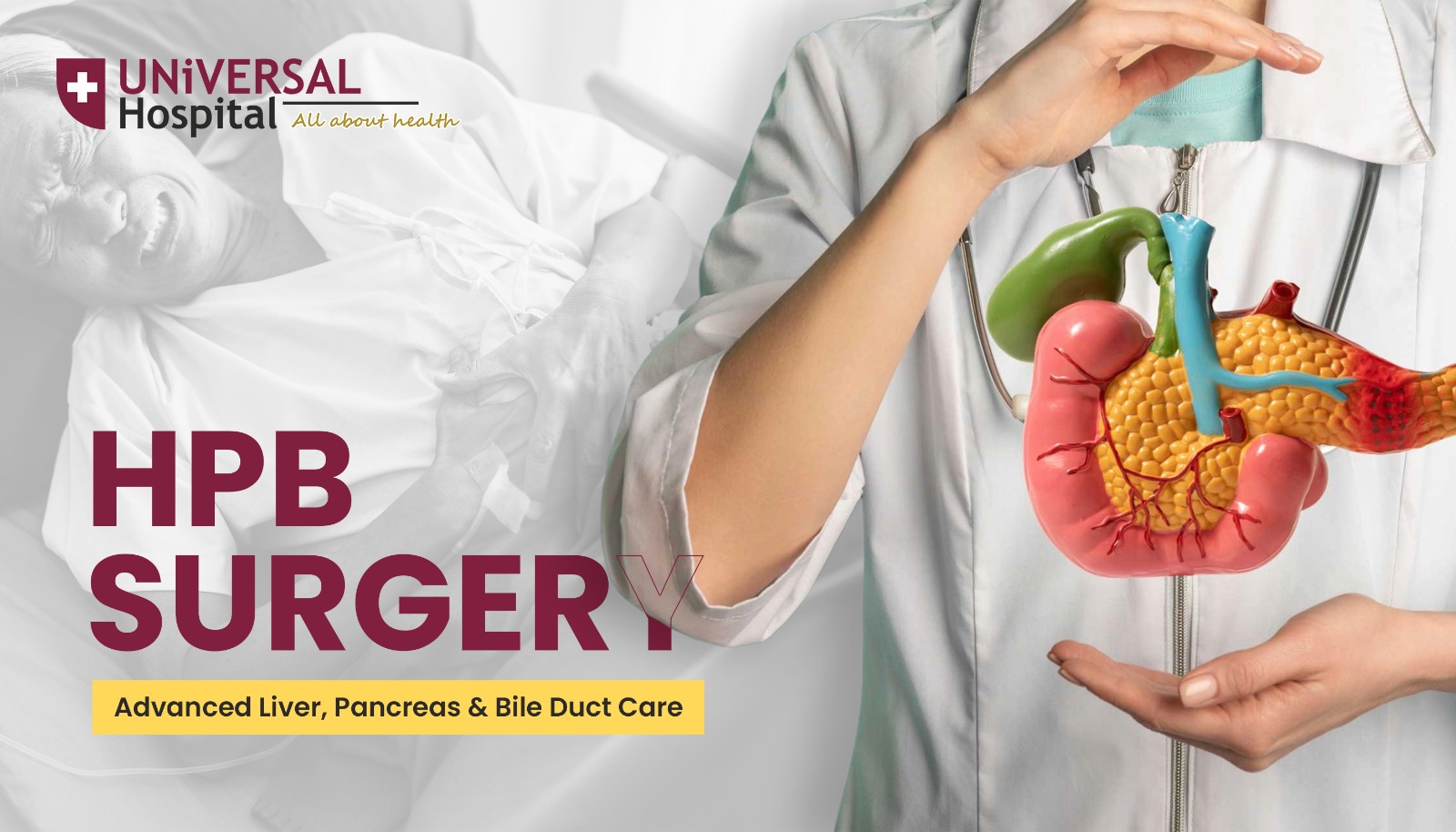
HPB Surgery: Treating Liver, Pancreas, and Bile Duct Conditions
Facing a liver, pancreas, or bile duct problem can feel overwhelming for patients and families. These organs are vital to digestion, metabolism, and overall health, and conditions affecting them often require highly specialized treatment. HPB surgery—short for Hepato-Pancreato-Biliary surgery—offers advanced, life-saving solutions for complex diseases of the liver, pancreas, and bile ducts.
This blog is written to help patients understand HPB surgery in simple terms. We explain what it is, when it is recommended, what to expect, and how expert care can improve outcomes. If you or your loved one is dealing with an HPB condition, this guide aims to inform, reassure, and empower you.
Understanding HPB Surgery
HPB surgery is one of the most specialized areas of modern medicine. It focuses on treating diseases that affect the liver, pancreas, and bile ducts—organs that work together to support digestion and detoxification.
Because these organs are delicate and closely connected to major blood vessels, HPB procedures are complex and must be performed by experienced surgeons in well-equipped hospitals. With advancements in medical technology, liver surgery, pancreatic surgery, and bile duct surgery today are safer and more effective than ever before.
For patients, understanding the basics of HPB surgery can reduce fear and help them make informed decisions about their treatment.
What Is HPB Surgery?
→ HPB surgery refers to surgical procedures performed on:
• The Liver – the body’s main detoxifying organ
• The Pancreas – essential for digestion and blood sugar control
• The Bile Ducts – tubes that carry bile from the liver to the intestine
Types of HPB Surgery
Depending on the condition, HPB surgery may include:
1) Liver Surgery
→ Removal of liver tumors (benign or cancerous)
→ Surgery for liver cysts or abscesses
→ Liver resection for liver cancer or metastasis
→ Surgery for bile duct obstruction inside the liver
2) Pancreatic Surgery
→ Whipple procedure (pancreaticoduodenectomy)
→ Distal pancreatectomy
→ Surgery for pancreatic cancer
→ Treatment of chronic pancreatitis
3) Bile Duct Surgery
→ Surgery for bile duct cancer (cholangiocarcinoma)
→ Removal of bile duct stones
→ Repair of bile duct strictures or injuries
These complex surgical procedures require precise planning, advanced imaging, and a skilled multidisciplinary team.
Understanding HPB Diseases
HPB diseases can be non-cancerous or cancer-related. Early diagnosis and expert care play a critical role in successful treatment.
1) Common Liver Diseases
→ Liver cancer (hepatocellular carcinoma)
→ Fatty liver disease complications
→ Liver cirrhosis
→ Liver cysts and tumors
2) Common Pancreatic Diseases
→ Pancreatic cancer
→ Chronic pancreatitis
→ Pancreatic cysts and tumors
→ Neuroendocrine tumors
3) Common Bile Duct Diseases
→ Gallstones blocking the bile duct
→ Bile duct strictures
→ Bile duct cancer
→ Congenital bile duct disorders
Many HPB conditions do not show symptoms early. When symptoms appear, they may include abdominal pain, jaundice, weight loss, digestive issues, or fatigue. That is why timely evaluation by an HPB specialist is essential.
→ Visit us on this Blog Link: Menopause: Managing Changes and Maintaining Health
When Is HPB Surgery Recommended?
Not every HPB condition requires surgery. Doctors usually recommend HPB surgery when:
→ The disease cannot be managed with medicines alone
→There is a tumor or cancer that can be removed
→ There is blockage in bile ducts affecting liver function
→ Chronic pancreatitis severely affects quality of life
→ Complications threaten life or organ function
Factors Doctors Consider Before Surgery
→ Overall health of the patient
→ Stage and location of the disease
→ Liver and pancreatic function
→ Age and medical history
→ Expected quality-of-life improvement
A personalized treatment plan ensures the best possible outcomes while minimizing risks.
What to Expect Before, During, and After HPB Surgery
Understanding the surgical journey helps reduce anxiety and prepares patients and families for recovery.
Before Surgery
→ Detailed blood tests and imaging (CT, MRI, ultrasound)
→ Liver and pancreatic function tests
→ Consultation with surgeons, anesthetists, and nutritionists
→ Pre-surgery counseling and preparation
Patients may be advised to improve nutrition, stop smoking, or manage other medical conditions before surgery.
During Surgery
→ Performed by expert HPB surgeons
→ May involve open surgery or minimally invasive techniques
→ Advanced monitoring for safety and precision
→ Surgery duration depends on complexity
After Surgery
→ Close monitoring in ICU or recovery unit
→ Pain management and infection prevention
→ Gradual return to eating and movement
→ Ongoing follow-up and rehabilitation
Recovery time varies, but with proper care, many patients regain strength and resume normal activities.
Benefits of HPB Surgery
While HPB surgery is complex, it offers significant benefits when performed at the right time and place.
Key Benefits
→ Removal of cancer or diseased tissue
→ Relief from pain and symptoms
→ Improved digestion and liver function
→ Better quality of life
→ Increased survival rates in cancer cases
With advancements in minimally invasive liver surgery and advanced pancreatic surgery, patients now experience shorter hospital stays, fewer complications, and faster recovery.
________________________________________
Why Universal Hospital Is Best for Gynecology Related Problems? (Expertise Beyond Specialties)
Although this section highlights gynecology, it is important to note that Universal Hospital is known for excellence across multiple specialties—including HPB surgery—because of its patient-first approach and advanced infrastructure.
Why Patients Trust Universal Hospital
→Highly experienced surgeons across specialties
→ Advanced operation theaters and ICUs
→ Multidisciplinary care teams
→ Latest diagnostic and surgical technology
→ Compassionate nursing and patient support
Universal Hospital believes in treating the whole person, not just the disease. Whether it is a complex HPB condition or a women’s health concern, patients receive personalized, ethical, and high-quality care.
________________________________________
Outcomes and Long-Term Care After HPB Surgery
Successful HPB surgery does not end in the operation theater. Long-term follow-up and lifestyle care are equally important.
Long-Term Outcomes
→ Improved survival in liver and pancreatic cancers
→ Better symptom control
→ Enhanced daily functioning
→Reduced recurrence with proper monitoring
Post-Surgery Care Includes
→ Regular follow-up visits
→ Nutritional counseling
→ Imaging and blood tests
→ Emotional and psychological support
Patients and families are guided at every step to ensure confidence and comfort during recovery.
Final Call-to-Action: Choose Universal Hospital for Advanced Brain Stroke Treatment
At Universal Hospital, expert care goes beyond one specialty. Along with advanced HPB surgery, the hospital is also a trusted center for brain stroke treatment, offering rapid diagnosis, advanced neuro-care, and compassionate rehabilitation services.
If you or your loved one needs expert treatment—whether for a complex HPB condition or a medical emergency like stroke—Universal Hospital is here to help.
→ Book a consultation today and experience care that combines medical excellence, advanced technology, and genuine compassion. Your health deserves nothing less.
→ Universal Superspeciality Hospital beside Jash Infinity, Behind New SMC Building, Civil Cross Road, Khatodara, Surat, India, 395001
→ +91 90810 82632
🌐 www.universalhospitalsurat.com
