Welcome to Universal Hospital's comprehensive guide on Glaucoma Surgery. Our dedicated team of experts is here to provide you with information and insights into this condition and the advanced surgical solutions we offer.
Understanding
Learn about glaucoma, a group of eye conditions that damage the optic nerve, often caused by elevated intraocular pressure. Understand its impact on vision and overall eye health.
Symptoms & Causes
Explore the various symptoms and underlying causes of glaucoma. From gradual vision loss to pain and halos around lights, we help you recognize potential warning signs.
Diagnosis
Discover the diagnostic procedures we employ to accurately identify glaucoma. From tonometry to visual field tests, our experts use cutting-edge techniques for precise diagnosis.
Other Types
Learn about different types of glaucoma, such as open-angle, angle-closure, and secondary glaucoma. Each type requires specific management approaches.
Treatment
Explore the range of treatment options available, including medications, surgical procedures, therapies, and lifestyle modifications.
Surgery
Dive deep into glaucoma surgical procedures, which are often considered when other treatments are ineffective. Our skilled surgeons perform various surgical interventions to alleviate intraocular pressure and halt vision deterioration.
Research
Stay updated on the latest advancements in glaucoma research. Our hospital actively participates in research to improve treatment outcomes and patient experiences.
What to Expect
Understand what to expect before, during, and after glaucoma surgery. Our experts guide you through the entire process, ensuring you are well-informed and prepared.
Why Choose Us?
Discover why Universal Hospital is the ideal choice for your glaucoma treatment. From our experienced medical team to state-of-the-art facilities, we are committed to your eye health.
Services
Explore our comprehensive range of eye care services, from diagnostics to post-surgical rehabilitation. We provide a holistic approach to glaucoma treatment.
Conclusion
Summing up the importance of timely intervention and personalized care in managing glaucoma. Your vision is our priority, and we are here to support you every step of the way.
Medications
Learn about the medications used to manage glaucoma, including eye drops and oral medications. Understand their mechanisms and potential side effects.
Surgical Procedures
Get detailed insights into the various surgical procedures we offer, such as trabeculectomy, drainage implants, and laser surgery. Each procedure targets specific aspects of intraocular pressure reduction.
Therapies
Explore complementary therapies that can work alongside traditional treatments. From acupuncture to yoga, these therapies can contribute to overall eye health.
Lifestyle Modifications
Discover lifestyle changes that can help manage glaucoma. From diet adjustments to stress reduction techniques, these modifications can positively impact your condition.
Preventive Measures
Learn about preventive measures to reduce the risk of glaucoma development. Regular eye exams, protective eyewear, and healthy habits play a crucial role.
Supportive Care
Understand the importance of ongoing care and follow-up appointments. Our support doesn't end with surgery – we ensure your long-term eye health.
Rehabilitation
Explore the rehabilitation process post-surgery. We provide guidance on recovering vision and adapting to changes for an improved quality of life.
Medical Devices
Discover the role of medical devices in managing glaucoma. From specialized eye drops dispensers to implantable drainage devices, technology plays a significant role.
Clinical Trials
Learn about our participation in clinical trials that explore novel treatments and interventions. Find out how you can contribute to advancements in glaucoma care.
Patient Education
Empower yourself with knowledge through our patient education resources. We believe informed patients make the best decisions about their health.
Multidisciplinary Care
Experience the benefits of our multidisciplinary approach to glaucoma treatment. Our team collaborates to provide comprehensive, personalized care for your unique needs.
Dr. Ravi Vatiani
Neurosurgeon
Dr. Ravi Vatiani
Neurosurgeon
Dr. Ravi Vatiani
Neurosurgeon
Dr. Ravi Vatiani
Neurosurgeon
Frequently Asked Questions
Glaucoma surgery refers to a group of medical procedures designed to lower intraocular pressure (IOP) within the eye. The goal is to prevent or slow down damage to the optic nerve, which is crucial for maintaining healthy vision.
Glaucoma surgery is often recommended when other treatments, such as medications or laser therapy, fail to effectively control intraocular pressure. High IOP can lead to optic nerve damage and vision loss if left untreated.
There are several types of glaucoma surgery, including trabeculectomy, tube shunt implantation, minimally invasive glaucoma surgery (MIGS), and laser surgeries like selective laser trabeculoplasty (SLT) or laser peripheral iridotomy (LPI).
Trabeculectomy involves creating a small drainage hole in the eye to allow excess fluid to drain out, thus reducing intraocular pressure. This surgery requires sutures to close the incision.
A tube shunt is a small tube inserted into the eye to facilitate drainage of excess fluid. It connects to a reservoir, which helps regulate intraocular pressure.
Minimally Invasive Glaucoma Surgery (MIGS) comprises a range of surgical techniques that aim to reduce intraocular pressure with minimal disruption to the eye’s anatomy. These procedures are typically less invasive and have shorter recovery times compared to traditional surgeries.
Glaucoma surgery is performed under anesthesia, so patients typically don’t experience pain during the procedure. After surgery, some discomfort or mild pain is normal and can be managed with prescribed medications.
Recovery varies depending on the type of surgery. Patients may experience blurred vision, light sensitivity, and mild discomfort. It’s important to follow post-operative care instructions, including using prescribed eye drops, avoiding strenuous activities, and attending follow-up appointments.
Like any surgery, glaucoma surgery carries risks, including infection, bleeding, changes in vision, and rarely, more serious complications. Your ophthalmologist will discuss these risks with you before the procedure.
Candidates for glaucoma surgery are individuals with elevated intraocular pressure that is not well controlled with medications or other treatments. Your ophthalmologist will assess your condition to determine if surgery is appropriate for you.
Glaucoma surgery aims to manage intraocular pressure and prevent further optic nerve damage. While it can help slow down the progression of the disease, it might not cure glaucoma entirely.
Your ophthalmologist will provide specific instructions, but generally, you may need to discontinue certain medications, fast before surgery, and arrange for transportation home after the procedure.
Contact Info
Schedule Your Appointment Today
Don’t wait – book now to take a proactive step towards a healthier future. Our dedicated team is ready to assist you every step of the way.
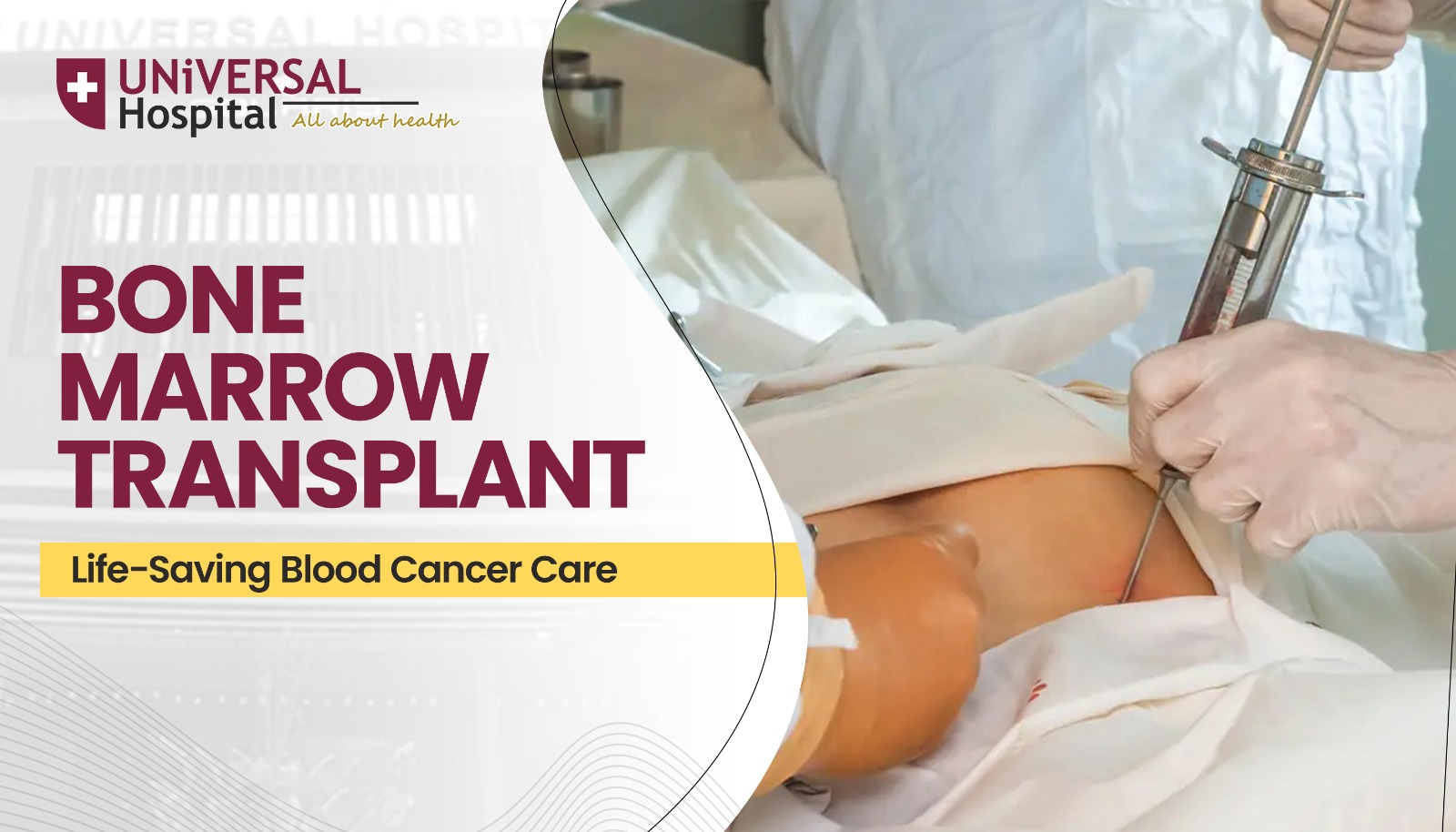
Blood cancers like leukemia, lymphoma, and multiple myeloma can be life-threatening. A bone marrow transplant—also called stem cell transplant—offers a...