
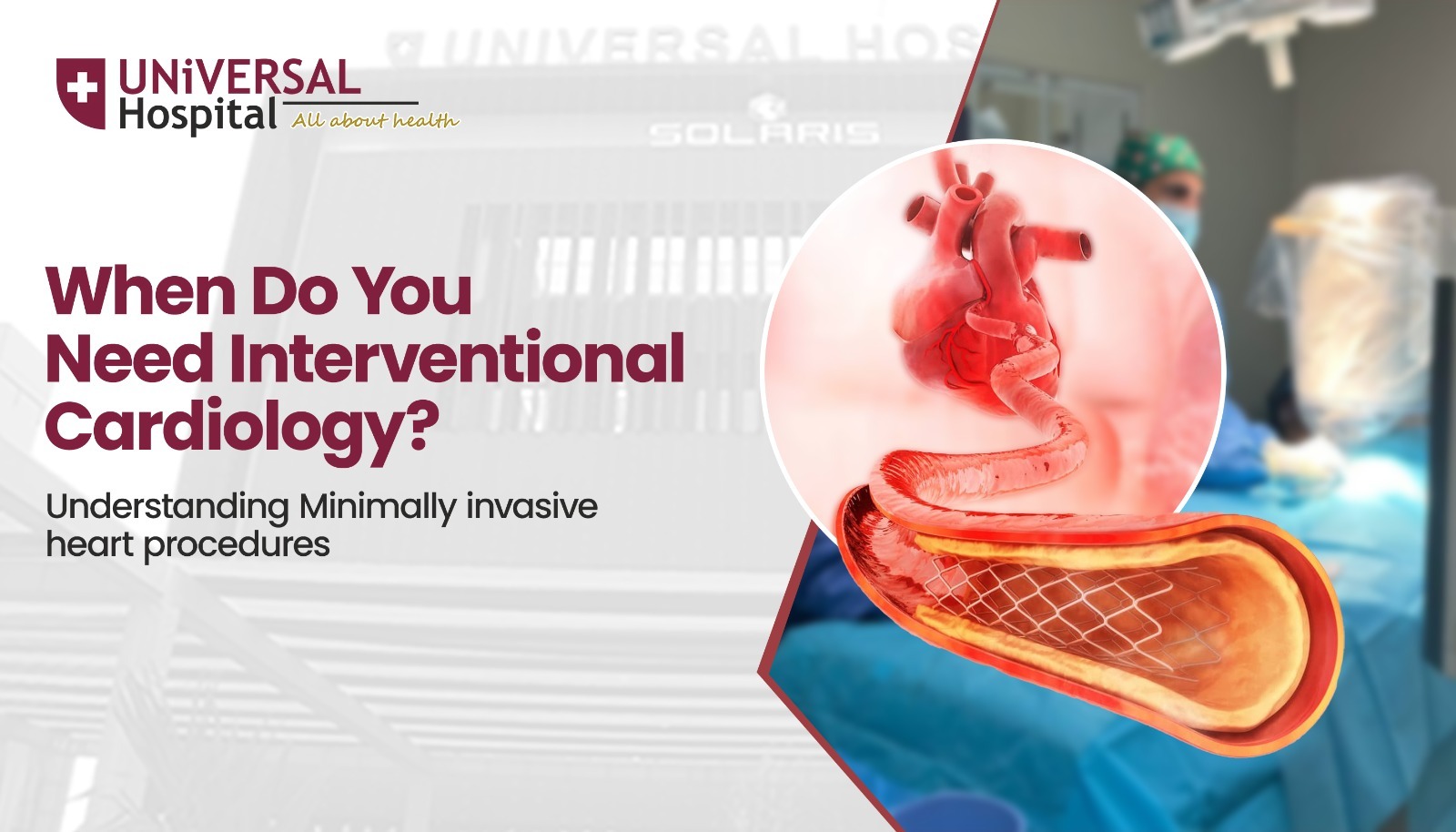
Heart disease is one of the leading health concerns today, especially among adults above 35. Many people imagine heart treatment as major surgery. However, modern medicine now offers minimally invasive heart procedures that can treat serious heart conditions without open-heart surgery.
This specialized field is called interventional cardiology.
Procedures such as angioplasty, cardiac catheterization, and stent placement help restore blood flow to the heart and prevent life-threatening complications like heart attacks.
If you or a loved one has been diagnosed with coronary artery disease, understanding interventional cardiology can help you make informed decisions about treatment.
In this guide, we will explain:
- What interventional cardiology is
- When these procedures are needed
- Symptoms that should not be ignored
- Treatment options and benefits
- Recovery and lifestyle changes
- Why choosing the right hospital is important
What Is Interventional Cardiology? Understanding Interventional Cardiology
Interventional cardiology is a branch of cardiology that uses catheter-based techniques to diagnose and treat heart diseases without open surgery.
A thin tube called a catheter is inserted through a blood vessel (usually from the wrist or groin) and guided to the heart.
Doctors use this catheter to:
- Diagnose blocked arteries
- Restore blood flow
- Repair heart structures
These procedures are known for being:
- Minimally invasive
- Safer than major surgery
- Faster recovery
- Highly effective
Common Interventional Cardiology Procedures
Cardiac Catheterization
Cardiac catheterization is a diagnostic procedure used to evaluate heart function and detect blocked arteries.
Doctors insert a catheter into the heart to:
- Measure blood pressure inside heart chambers
- Check oxygen levels
- Identify blockages in coronary arteries
This procedure helps doctors decide the best treatment plan.
Angioplasty
Angioplasty is a procedure used to open blocked arteries.
During angioplasty:
- A small balloon is inserted through a catheter.
- The balloon inflates inside the blocked artery.
- The blockage is pushed aside, restoring blood flow.
This procedure quickly relieves symptoms like chest pain and reduces heart attack risk.
Stent Placement
Often performed with angioplasty, stent placement involves inserting a small mesh tube inside the artery.
The stent:
- Keeps the artery open
- Prevents future blockages
- Improves blood circulation
Modern stents are drug-coated to reduce the chance of re-blockage.
Causes of Coronary Artery Disease
Most interventional cardiology procedures treat coronary artery disease (CAD).
CAD occurs when arteries supplying blood to the heart become narrow or blocked due to plaque buildup.
Major Causes Include
- High cholesterol
- High blood pressure
- Diabetes
- Smoking
- Obesity
- Sedentary lifestyle
- Family history of heart disease
These factors gradually damage the arteries, reducing blood flow to the heart muscle.
If untreated, CAD can lead to heart attacks.
Common Symptoms of Heart Blockages
Many patients ignore early symptoms until the condition becomes serious.
Recognizing warning signs early can save lives.
Common Symptoms Include
- Chest pain or pressure (Angina)
- Shortness of breath
- Pain in arms, neck, jaw, or back
- Fatigue during physical activity
- Dizziness or fainting
- Irregular heartbeat
Some patients, especially those with diabetes, may experience silent heart disease with mild symptoms.
If you notice persistent discomfort or cardiac warning signs, consult a cardiologist immediately.
When Do You Need Interventional Cardiology?
Doctors may recommend interventional cardiology procedures if:
- Medications are not relieving chest pain
- Stress tests show reduced blood flow
- Coronary arteries are severely blocked
- A heart attack has occurred
- There is risk of future cardiac events
In emergency situations, angioplasty and stent placement can be life-saving.
These procedures quickly restore blood flow and prevent permanent heart damage.
Benefits of Minimally Invasive Heart Procedures
Modern interventional cardiology treatments offer several advantages compared to traditional surgery.
Key Benefits
- Smaller incision
- Less pain
- Short hospital stay
- Faster recovery
- Lower risk of complications
- Minimal scarring
Most patients can return to normal activities within a few days.
The Role of Diet in Managing Heart Disease
A heart-healthy diet plays a crucial role in preventing and managing coronary artery disease.
Even after angioplasty or stent placement, lifestyle changes are essential.
Heart-Healthy Foods
- Fresh fruits and vegetables
- Whole grains
- Nuts and seeds
- Lean proteins (fish, legumes)
- Healthy oils like olive oil
Foods to Limit
- Fried foods
- Processed snacks
- Excess salt
- Sugary beverages
- Red meat in large amounts
Healthy Eating Tips
- Cook more meals at home
- Reduce salt intake
- Control portion sizes
- Stay hydrated
Diet plays a major role in heart attack prevention and long-term heart health.
Exercise for Heart Health
Physical activity strengthens the heart and improves blood circulation.
Benefits of Exercise
-
- Reduces cholesterol levels
- Lowers blood pressure
- Helps maintain healthy weight
- Improves heart function
- Reduces stress
Recommended Exercises
- Brisk walking
- Cycling
- Swimming
- Yoga and breathing exercises
Doctors usually recommend 30 minutes of moderate exercise daily.
Patients who have undergone angioplasty or stent placement should start exercise gradually under medical supervision.
Treatment Options for Coronary Artery Disease
Treatment depends on the severity of the blockage and symptoms.
Lifestyle Modifications
- Healthy diet
- Regular exercise
- Quitting smoking
- Stress management
Medications
Doctors may prescribe:
- Blood pressure medicines
- Cholesterol-lowering drugs
- Blood thinners
- Anti-angina medications
Interventional Cardiology Procedures
When medications are not enough, doctors recommend:
- Cardiac catheterization
- Angioplasty
- Stent placement
These procedures restore blood flow quickly.
Surgical Treatment
In severe cases, coronary artery bypass surgery may be necessary.
However, many patients today can avoid major surgery thanks to advanced interventional cardiology techniques.
Recovery After Angioplasty or Stent Placement
Recovery is usually quick.
Typical Recovery Timeline
- Hospital stay: 1–2 days
- Light activities: within a few days
- Full recovery: about 1 week
Post-Procedure Care
Patients must:
- Take prescribed medications regularly
- Maintain a heart-healthy diet
- Attend follow-up appointments
- Monitor blood pressure and cholesterol
Lifestyle changes help prevent future blockages.
Why Choose Universal Hospital for Cardiology & Heart Health?
When it comes to heart care, choosing the right hospital can make a life-saving difference.
Universal Hospital Surat is known for its advanced Cardiology & Heart Health services, offering modern treatment with patient-centered care.
Experienced Interventional Cardiologists
The hospital has skilled specialists experienced in:
- Cardiac catheterization
- Angioplasty
- Stent placement
- Emergency cardiac care
Each patient receives a personalized treatment plan based on their heart condition.
Advanced Cardiac Technology
Universal Hospital offers modern diagnostic and treatment facilities including:
- ECG and 2D Echo
- TMT (Stress Test)
- Coronary angiography
- Advanced cardiac catheterization lab
These technologies allow precise diagnosis and effective treatment.
24/7 Emergency Heart Care
Heart attacks require immediate treatment.
Universal Hospital provides:
- Round-the-clock cardiac emergency services
- Rapid diagnosis
- Immediate interventional procedures
This quick response saves lives during critical situations.
Comprehensive Heart Care
Patients receive complete cardiac care including:
- Preventive heart screening
- Medication management
- Interventional procedures
- Lifestyle and diet counseling
- Cardiac rehabilitation
This holistic approach improves long-term heart health.
Compassionate and Patient-Centered Care
Heart problems can be frightening for patients and families.
At Universal Hospital:
- Doctors explain procedures clearly
- Families are involved in treatment decisions
- Patients receive emotional support
- Care is delivered with empathy and respect
People also want to know: When Do You Need Interventional Cardiology? Understanding Minimally Invasive Heart Procedures
Take the First Step Toward Better Heart Health
If you are experiencing chest pain, breathlessness, or symptoms of coronary artery disease, do not delay medical evaluation.
Modern interventional cardiology procedures like angioplasty and stent placement can restore blood flow and prevent life-threatening complications.
👉 Book your consultation today at Universal Hospital Surat.
👉 Meet experienced interventional cardiologists.
👉 Receive advanced, minimally invasive heart treatment.
Choose Universal Hospital for trusted Cardiology & Heart Health care — because your heart deserves the best protection.
→ Highly experienced interventional cardiologists
→ State-of-the-art Cath Lab
→ Advanced imaging & diagnostic tools
→ 24×7 emergency cardiac care
→ Affordable treatment packages
Your heart deserves the best. Schedule your consultation today with our expert cardiology team and take a proactive step towards a healthier heart.
